Rules Are for Rookies: How Bold US Investors Are Winning Big on Unconventional Monterrey Flips
Every real estate seminar says the same thing: buy low, renovate smart, sell high, repeat. Stick to established neighborhoods. Avoid distressed properties. Never buy in a slow market. It's safe advice. It's also the reason a lot of US investors leave Monterrey with average returns while a smaller, quieter group walks away with something that looks a lot like a windfall.
That second group didn't get lucky. They got unconventional.
Monterrey isn't a market that rewards timid moves the way some US cities do. It rewards people who understand the rhythm of the place—who know which colonias are about to pop, which properties are priced low for emotional reasons rather than structural ones, and which months give buyers extraordinary leverage. The investors who've figured that out aren't playing by the rules. And they're not apologizing for it.
The Distressed Property Playbook Nobody Talks About
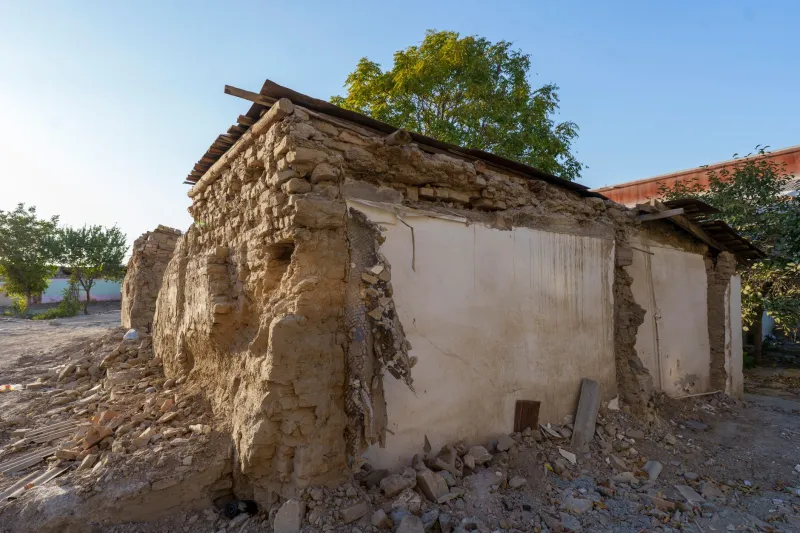
When most US buyers hear "distressed property" in Mexico, they picture a legal nightmare—unclear title, unpaid taxes, a structure held together by hope and old paint. That reputation isn't entirely wrong, but it paints too broad a picture.
Take the case of a couple from Austin who relocated to Monterrey in 2021. They spotted a property in Contry, a neighborhood with solid bones but a reputation that had cooled after years of inconsistent upkeep. The home had sat vacant for nearly two years, and the asking price reflected that. The sellers—a family dealing with an inheritance dispute—wanted out fast and clean.
The Austin couple moved quickly, brought in a notario they trusted, and cleared the title issues within six weeks. Total acquisition cost, including legal fees, came in at roughly 30% below comparable move-in-ready homes on the same block. After a focused four-month renovation—new plumbing, updated electrical, fresh finishes—they listed the property and sold it within three weeks at a price that netted them a return most US house flippers would consider exceptional, even by domestic market standards.
What made it work? They didn't flinch at complexity. They had a local attorney on speed dial and a renovation crew they'd already vetted. The deal looked messy from the outside, which is exactly why nobody else was bidding.
Off-Season Moves That Paid Off
Conventional wisdom says don't buy in December. The holidays slow everything down. Sellers aren't serious, buyers are distracted, and deals stall in escrow while everyone travels. In Monterrey, that logic creates an opening.
A software engineer from San Diego who'd been renting in Valle Oriente for two years decided to make his move in late November. He'd been watching a property in Colonia del Valle for months—a spacious older home with high ceilings and a courtyard that wasn't getting the attention it deserved. By December, the listing had gone stale. The agent was eager. The seller was motivated.
He negotiated a price that was nearly 12% below what identical properties had sold for earlier in the year. Closing happened in January. By March, with minor cosmetic updates complete, he had rental interest from three separate corporate relocation contacts—Monterrey's industrial and tech sectors generate steady demand for furnished, quality rentals. He's been cash-flow positive ever since.
The off-season isn't a dead zone. For buyers who stay ready, it's a negotiating window that opens once a year and closes fast.
Betting on Micro-Neighborhoods Before the Wave
This one is harder to systematize, but it's where some of the most dramatic gains have come from. Monterrey has a handful of what you might call micro-neighborhoods—areas that don't show up on the standard expat radar but sit adjacent to established zones and share much of the same infrastructure, access, and energy.
A retired teacher from Phoenix started exploring one such area near the edges of San Jerónimo, where prices hadn't yet caught up to the neighborhood's improving walkability and proximity to new commercial development. She bought a modest two-bedroom in 2022, not as a flip but as a long-term hold with rental income in the interim.
Within eighteen months, three new restaurants and a co-working space had opened within walking distance. A friend who visited said the street felt like San Pedro Garza García did about eight years ago—just before the prices stopped being reasonable. She's not selling. But if she did, the numbers would surprise people who only look at headline neighborhoods.
The key insight here is local knowledge over listing data. Zillow doesn't cover Monterrey. Trulia won't tell you which street is about to get a new café corridor. That intelligence comes from being present, talking to people, and trusting your read on momentum.
What the Bold Investors Have in Common
Look across these stories and a few threads emerge. None of these investors were reckless—they were calculated. Each one had done enough groundwork to know the difference between a risky deal and a deal that merely looked risky to outsiders.
They also had reliable local networks. A good notario. A contractor they'd already worked with or thoroughly vetted. An agent who gave them honest assessments instead of optimistic pitches. In Monterrey, those relationships aren't just helpful—they're the infrastructure your strategy runs on.
Finally, they were comfortable sitting with uncertainty for longer than most buyers are willing to. The distressed property took six weeks to clear title. The off-season deal required patience through a slow holiday market. The micro-neighborhood bet meant holding through a period when nothing dramatic was happening. None of these are strategies for someone who needs instant validation.
A Word of Caution That's Actually Useful
None of this is an argument for throwing due diligence out the window. Unconventional doesn't mean uninformed. The investors who got burned in Monterrey—and some have—usually skipped the legal homework, trusted the wrong people, or let enthusiasm outrun their understanding of what they were actually buying.
The bold move only works when it's backed by real preparation. Know your title. Know your contractor's track record. Know the neighborhood's trajectory, not just its current price point. And know your exit—whether that's a sale, a rental, or a long-term hold.
Monterrey rewards people who show up ready to move when the moment comes. The ones who've built that readiness in advance are the ones whose stories end up worth telling.
If you're still playing it safe waiting for the perfect listing in the obvious neighborhood at the obvious time—just know there's another buyer already circling the deal you haven't thought to look for yet.