Forget Everything You Know About HOAs: How Monterrey Condo Communities Actually Work (And Why US Buyers Usually Come Out Ahead)
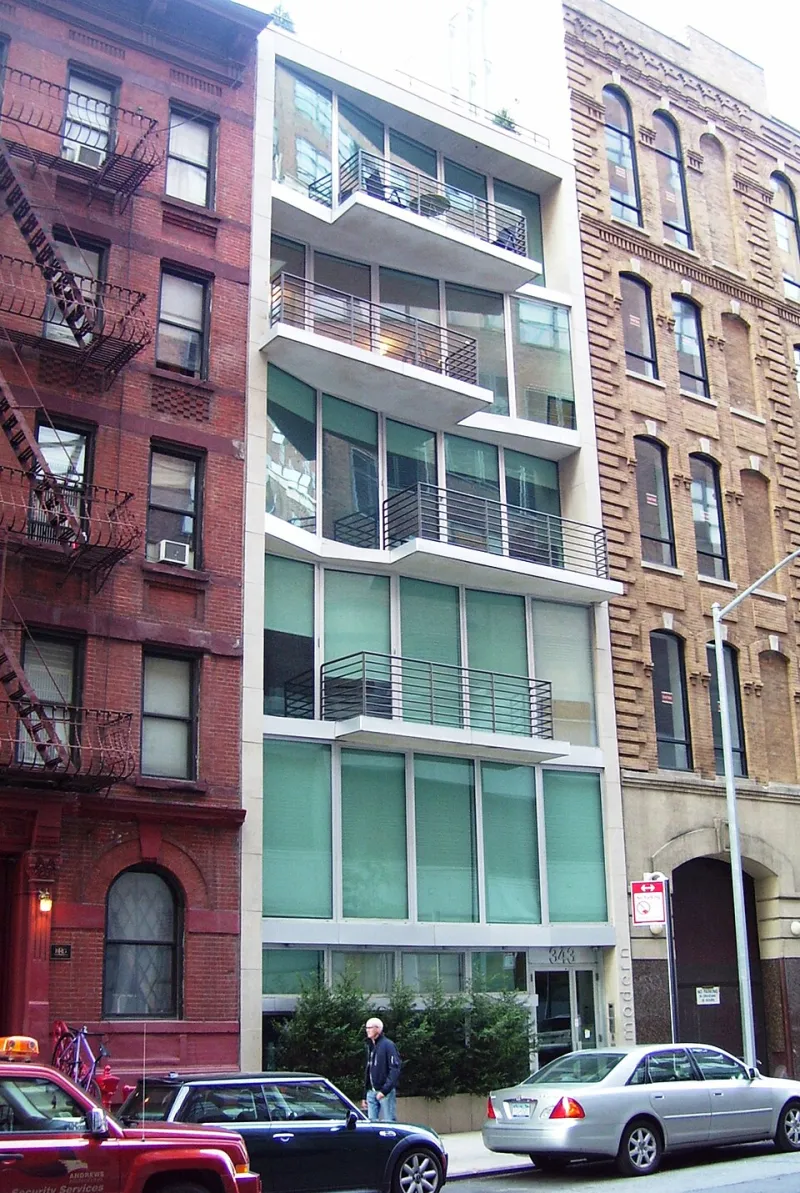
Photo: Beyond My Ken, CC BY-SA 4.0, via Wikimedia Commons
Mention "HOA" to most American homeowners and watch their expression shift. For a lot of US buyers, those three letters carry a lot of baggage — surprise fee hikes, passive-aggressive enforcement letters about holiday decorations, and board meetings that somehow last three hours and accomplish nothing. So when those same buyers start exploring Monterrey condos and gated communities, they naturally want to know: is it the same deal down here?
Short answer: not really. And in most cases, the differences work in your favor.
Let's break down how community governance actually functions in Monterrey developments, what the legal framework looks like, and what smart US buyers should be asking before they put pen to paper.
The Legal Foundation Is Completely Different
In the US, HOAs are typically incorporated as nonprofit corporations under state law, with governing documents — CC&Rs, bylaws, and rules — that can run dozens of pages and carry serious legal teeth. Violations can result in fines, liens, and in extreme cases, foreclosure. It's a system with a lot of infrastructure built around enforcement.
In Mexico, condo communities operate under a different legal framework entirely. The Ley de Propiedad en Condominio (Condominium Property Law) governs how these communities are structured at the state level, and in Nuevo León — where Monterrey sits — that law defines the rights and obligations of individual owners, the community as a whole, and the administrative body that manages shared spaces.
Instead of an HOA board with broad enforcement powers, you're typically dealing with a Asamblea de Condóminos — essentially an owners' assembly — that votes on major decisions, and an Administrador, a property manager who handles day-to-day operations. Think of it less like a mini-government and more like a building partnership.
This distinction matters because the Mexican system tends to be more consensus-driven. Big decisions — like a major renovation to shared spaces or a significant fee increase — generally require a formal vote of the assembly rather than a board making unilateral calls. That's a meaningful protection for individual owners.
Cuotas de Mantenimiento: The Fee Structure Explained
Every condo building and gated community in Monterrey charges cuotas de mantenimiento — maintenance fees. These cover shared expenses: security personnel, landscaping, lobby upkeep, pool maintenance, elevator contracts, and whatever else the building needs to keep running.
Here's where US buyers often get a pleasant surprise: the fee amounts. In many Monterrey developments, monthly maintenance fees run significantly lower than comparable communities in US cities. A mid-range condo in San Pedro Garza García or Valle might carry fees in the range of 1,500 to 4,000 Mexican pesos per month — roughly $75 to $200 USD at current exchange rates. For a full-amenity building with 24-hour security, that's a number most American buyers find genuinely hard to believe.
That said, fees vary widely depending on the building's age, amenity load, and management quality. Newer luxury towers with rooftop pools, coworking spaces, and concierge services will run higher. Older buildings with leaner amenities will run lower. The key is understanding exactly what your fee covers before you commit.
One thing to watch: some buildings carry a separate fondo de reserva — a reserve fund contribution — on top of the regular maintenance fee. This is money set aside for larger capital repairs down the road. It's actually a healthy sign when a building has one, but make sure you understand both numbers when budgeting.
Reading the Reglamento (And Why You Really Should)
Every Monterrey condo community has a Reglamento Interno — an internal rulebook that governs how residents use shared spaces, what's allowed in individual units, pet policies, renovation rules, and more. This document is the closest equivalent to the CC&Rs you'd find in a US HOA.
If your Spanish is limited, don't skip this document — get it translated. Seriously. A bilingual real estate attorney or a trusted buyer's agent can walk you through the key provisions, and it's worth the time investment. You want to know things like:
- Are short-term rentals (Airbnb-style) permitted?
- What are the rules around unit modifications or renovations?
- How are disputes between neighbors handled?
- Are there restrictions on pets, parking, or move-in/move-out procedures?
Some Monterrey developments — especially those marketed toward international buyers — have begun offering bilingual versions of their governing documents. If that's available, it's a good sign that the community is accustomed to working with foreign owners.
Decision-Making: More Democratic Than You Might Expect
One of the most common frustrations US expats have with American HOAs is feeling like decisions get made to them rather than with them. The board raises fees, bans something, or approves a costly project — and individual owners feel like they have little recourse.
Mexican condo law actually builds in more direct owner participation than most US buyers expect. The Asamblea de Condóminos meets at least once a year (and can be called more frequently), and owners have voting rights proportional to their unit's share of the overall property. Major decisions typically require a supermajority. If you own a unit, you have a genuine seat at the table.
In practice, engagement levels vary. Some buildings have active, well-organized owner communities. Others struggle with low participation, which can lead to an Administrador having more de facto influence than the law technically intends. The lesson here: find out how active and organized the existing owner community is before you buy. Ask your agent, talk to current residents if possible, and review minutes from recent assemblies if you can get them.
What to Ask Before You Buy
Armed with all of this, here's a practical checklist of questions to run through with your agent or attorney before closing on any Monterrey condo:
- What are the current monthly maintenance fees, and what do they cover exactly?
- Is there a reserve fund? What's its current balance?
- Have fees increased significantly in the last three to five years?
- Are there any pending special assessments or major repairs on the horizon?
- What does the Reglamento say about short-term rentals?
- Who is the current Administrador, and how long have they been in place?
- When was the last Asamblea held, and can I review the minutes?
- Are there any active disputes or legal issues involving the community?
Getting clear answers to these questions won't just protect your investment — it'll give you a realistic picture of what life in that community actually looks like.
The Bottom Line
Monterrey's condo governance system isn't perfect, and like any community structure, a lot depends on who's running things and how engaged the owners are. But the legal framework is genuinely built around owner rights, the fees are typically far more manageable than US equivalents, and the decision-making structure gives individual owners real participation — not just the illusion of it.
For US buyers who've spent years navigating rigid HOA bureaucracies back home, the Monterrey model can feel like a breath of fresh air. Just go in with your eyes open, do your document homework, and lean on a bilingual real estate professional who knows these communities from the inside out.
Your home in Monterrey starts here — and now you know exactly what questions to ask when you get to the condo phase of your search.