Closing Costs in Monterrey: The Budget Items Most US Buyers Never See Coming
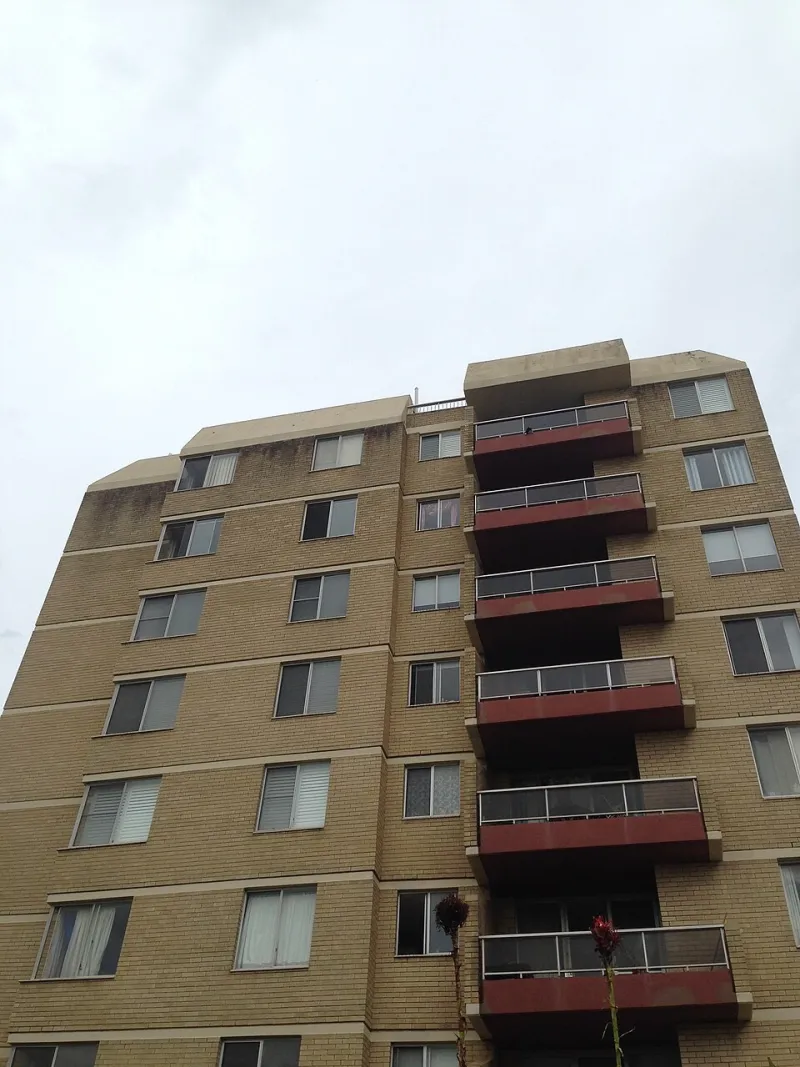
Photo: HutheMeow, CC BY-SA 4.0, via Wikimedia Commons
You found the place. The price is right, the neighborhood checks out, and you're already mentally arranging furniture. Then your attorney hands you a closing cost estimate and the number is... not what you expected.
This is one of the most common moments of sticker shock for US buyers entering the Monterrey real estate market. It's not that anyone is hiding anything — it's just that the Mexican property acquisition process comes with a set of mandatory costs that don't have a clean equivalent back home. Once you understand what they are and why they exist, budgeting for them is straightforward. Getting blindsided by them is not.
Let's break down every major line item you need to plan for before you close on a property in Monterrey.
The Notary Fee: More Than Just a Signature
In the US, a notary public is someone you find at a UPS Store for about $15. In Mexico, a Notario Público is a government-appointed legal professional who holds significant authority over real estate transactions — and charges accordingly.
The notary in Mexico is responsible for verifying the legal status of the property, calculating and collecting applicable taxes, registering the deed with the Public Registry, and ensuring the entire transaction complies with federal and state law. Their fee typically runs between 1% and 1.5% of the property's appraised value, though this can vary by transaction complexity. On a $300,000 USD property, that's $3,000 to $4,500 just for notary services — before anything else.
You don't get to shop around for the cheapest notary, either. The seller usually designates one, though buyers can negotiate this. Either way, budget for it.
ISAI: The Property Transfer Tax
Nuevo León — the state where Monterrey sits — levies what's called the Impuesto Sobre Adquisición de Inmuebles, or ISAI. Think of it as the Mexican equivalent of a deed transfer tax, except it's calculated differently than most US buyers expect.
The ISAI rate in Nuevo León is currently 2% of the higher of the purchase price or the cadastral value (the government's assessed value of the property). That second part matters. If the government's cadastral value is higher than what you're paying — which can happen in areas where assessments lag behind market prices — you'll pay tax on the higher number.
On that same $300,000 property, you're looking at approximately $6,000 in ISAI alone. This is non-negotiable and paid at closing through the notary.
Registration Fees and Government Certificates
After the notary finalizes the deed, it must be recorded with the Registro Público de la Propiedad — the Public Property Registry. Registration fees are set by the state and typically fall in the range of 0.1% to 0.5% of the property value, depending on the municipality and transaction specifics.
On top of that, you'll need several official certificates before closing can happen:
- No-lien certificate (certificado de libertad de gravamen): Confirms the property has no outstanding debts or encumbrances.
- Cadastral certificate: Confirms the official assessed value and that property taxes are current.
- Water and municipal service clearance: Proves there are no unpaid utility balances attached to the property.
Each of these carries a small fee, but they add up — typically $200 to $600 USD total depending on how current the seller's records are.
Legal Representation: Don't Skip This
Unlike in some US states where a title company handles most of the closing process, buying property in Mexico — especially as a foreign national — really does require your own legal counsel. A qualified Mexican real estate attorney will review the purchase agreement, confirm the property's title history, advise you on fideicomiso (bank trust) requirements if applicable, and represent your interests throughout the process.
Expect to pay $1,000 to $2,500 USD for competent legal representation, though fees vary by firm and transaction complexity. This is money extremely well spent. Trying to navigate Mexican property law without it is how buyers end up with title disputes years down the road.
The Fideicomiso: What It Costs to Hold Property as a Foreigner
If the property you're buying falls within a restricted zone — within 50 kilometers of the coast or 100 kilometers of an international border — you'll need to hold it through a fideicomiso, a bank trust that allows foreigners to control the property while a Mexican bank holds the title on your behalf.
Monterrey itself is not in a restricted zone, so most urban purchases don't require a fideicomiso. However, if you're eyeing properties in surrounding municipalities that approach border areas, this becomes relevant. Setup fees run approximately $1,000 to $1,500 USD, with annual maintenance fees of $500 to $800 USD thereafter. Factor in the ongoing cost if this applies to your purchase.
Home Insurance: Different Rules Apply
Mexican home insurance policies are structured differently from what most US buyers are used to. Standard policies often cover structural damage but exclude contents by default, require separate riders for flood or earthquake coverage (both relevant in parts of Nuevo León), and are typically denominated in pesos — meaning your coverage amount can erode if the peso weakens.
Annual premiums for a reasonably insured Monterrey property run $500 to $1,500 USD per year, but make sure you're comparing equivalent coverage rather than just premium amounts. Work with a broker who can explain what each policy actually covers in plain language.
The Real Budget Number: Add It All Up
Here's a realistic total closing cost estimate for a $300,000 USD Monterrey property:
| Cost Item | Estimated Amount |
|---|---|
| Notary fee (1.25%) | $3,750 |
| ISAI transfer tax (2%) | $6,000 |
| Registration fees | $500 |
| Government certificates | $400 |
| Legal representation | $1,500 |
| Miscellaneous admin | $300 |
| Total | ~$12,450 |
That's roughly 4% to 5% of the purchase price in closing costs — before any renovation budget, furniture, or ongoing ownership expenses. Some transactions run a bit lower, some higher. But if you walk into negotiations expecting 1% or 2%, you'll be caught off guard.
Plan Ahead, Negotiate Smart
The good news: most of these costs are predictable, and knowing them in advance gives you real negotiating power. Some buyers negotiate for the seller to cover a portion of the notary fee or closing costs as part of the deal — especially in a buyer-friendly market. Others factor the full cost into their offer price to keep total out-of-pocket within budget.
Either way, the buyers who come to the table with accurate numbers are the ones who close confidently. The ones who don't are the ones who walk away frustrated — or worse, overextend themselves financially on a property that was supposed to be a smart investment.
Monterrey is a genuinely compelling real estate market for US buyers right now. Don't let avoidable surprises get in the way of a good deal.