What the First Half-Minute Inside a Monterrey Property Can Tell You (If You Know Where to Look)

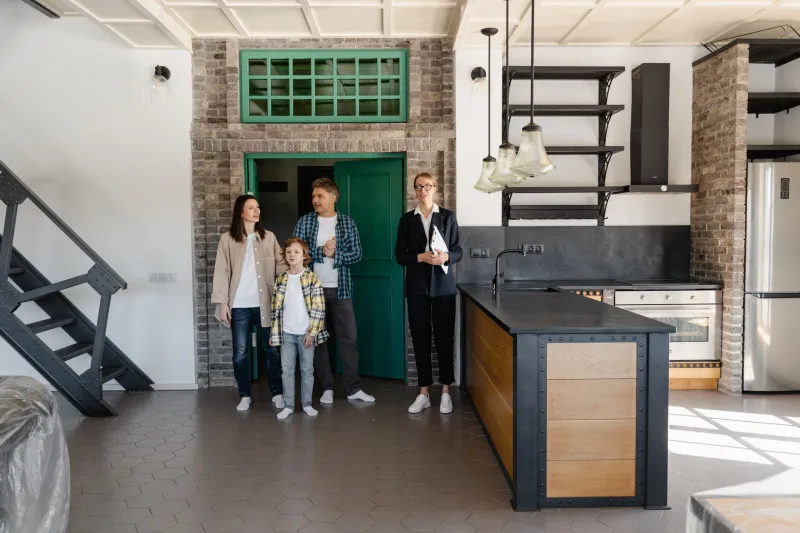
There's a moment every experienced real estate agent knows well. You step through the front door of a property, and before the listing agent even finishes their greeting, you've already clocked three things that could kill the deal. Most buyers never develop that instinct. They're too busy imagining where the couch goes.
If you're a US buyer shopping for property in Monterrey—whether you're relocating, investing, or putting down roots as a second home—learning to read a space quickly isn't just a nice skill. It can save you tens of thousands of dollars and months of headache. The good news? You don't need a construction background. You just need to know what to look for and where to look first.
The Smell Test Is Not a Metaphor
Before you see anything, you'll smell it. And in Monterrey's climate—where humidity spikes during summer rains and older buildings absorb decades of moisture—your nose is your first diagnostic tool.
A musty, closed-in smell the moment you enter isn't just stale air. It's often a signal of persistent moisture infiltration, especially in older colonias where drainage infrastructure hasn't kept pace with urban density. Mold behind drywall, water damage under flooring, or a chronically damp foundation can all produce that flat, earthy odor that no amount of air freshener fully masks.
On the flip side, a property that smells aggressively of fresh paint, scented candles, or cleaning products right at the entrance deserves a second look. Sellers and agents know these smells read as "clean" to most buyers. Sometimes that's just good staging. Sometimes it's strategic concealment. Make note of it and dig deeper.
What the Walls and Ceiling Are Trying to Tell You
Look up. Seriously—most buyers look straight ahead or down. Ceiling stains, even ones that have been painted over, leave a shadow. Look for subtle discoloration in corners, around light fixtures, or along the edges where ceiling meets wall. In Monterrey properties with flat rooftop terraces (azoteas), water pooling is a common and expensive problem. Stains on upper-floor ceilings are a direct line to that issue.
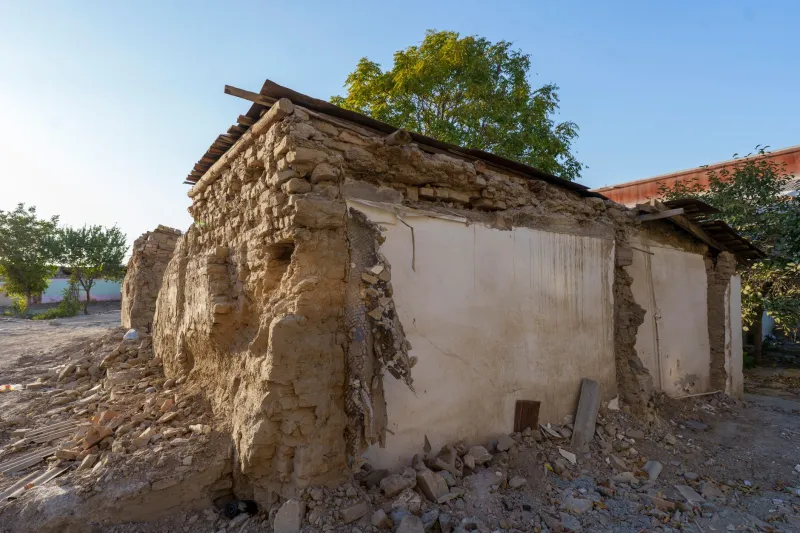
While you're scanning the walls, watch for diagonal cracks running from the corners of windows or door frames. Hairline cracks in plaster are common in older construction and often cosmetic. But diagonal stress cracks—especially ones that are wide enough to slip a coin into—suggest foundation movement or structural settling that goes beyond normal. Monterrey's soil composition varies significantly by zone, and some areas are more prone to shifting than others.
Fresh spackle in isolated patches, particularly around baseboards or near exterior walls, is worth flagging too. It could be nothing. It could be someone covering evidence of water intrusion before listing.
The Floor Knows Things
Walk slowly and deliberately across the main living area. You're not just getting a feel for the layout—you're listening and feeling for soft spots, bouncing sections, or uneven surfaces underfoot. In properties with wood or laminate flooring, a springy or hollow sensation often indicates moisture damage to the subfloor beneath. In tiled homes (extremely common across Monterrey), listen for tiles that produce a hollow knock when you step on them. Loose or debonded tiles mean water got under there at some point.
Also look at the grout lines. Cracked or missing grout along floor perimeters isn't just aesthetic—it's a pathway for moisture to migrate. In bathrooms especially, deteriorated grout around the toilet base or tub surround is a classic sign of slow, long-term water damage that often extends into the walls.
Windows, Doors, and What They Reveal About the Bones
Open and close every door and window you can access in the first few minutes. This isn't about testing hardware. Doors and windows that stick, drag, or refuse to latch cleanly are often indicators of structural movement—the frame has shifted enough that the opening is no longer true. In a new construction property, that's a red flag. In a 30-year-old home in a well-established neighborhood like Cumbres or Contry, some settling is normal, but widespread sticking throughout the unit tells a different story.
While you're at the windows, check the seals. Double-pane windows with fogging or condensation between the glass panels have failed seals—a replacement cost that adds up fast if it's happening throughout the property. Also check the window frames for paint that's bubbling or peeling from the inside. That's moisture working its way in from outside.
The Neighborhood Context That Never Shows Up in the Listing
The 30-second clock doesn't stop at the front door—it starts when you pull up to the property. Before you even get out of the car, take stock of what's around you. What's the condition of neighboring properties? Are there empty lots nearby with construction activity? In Monterrey's faster-growing corridors, an empty lot next door could become a six-story mixed-use building within two years. That's not necessarily bad, but it's worth knowing.
Look at street drainage. Monterrey gets serious rain during storm season, and low-lying streets in certain areas flood regularly. Check whether the property sits lower than street level—that's a structural drainage vulnerability. Look for waterline stains on exterior walls near the base of the building. Locals know which streets flood. The listing won't tell you.
Notice foot traffic, noise levels, and proximity to main arteries. A property that feels calm on a Tuesday morning may sit directly under a flight path or next to a weekend market. These are quality-of-life details that dramatically affect resale value and livability—and they're entirely invisible on a listing sheet.
Bring a System, Not Just Enthusiasm
The buyers who consistently make smart purchases in Monterrey aren't necessarily the ones with the most real estate experience. They're the ones who show up with a framework. That means arriving at an open house with a short mental checklist, slowing down in the first room instead of rushing toward the highlight features, and treating the first 30 seconds as a diagnostic window rather than a wow moment.
Ask your agent to walk you through the property without narration first—just give you time to observe. Bring your phone and document anything that catches your eye. And if something feels off but you can't name it, trust that instinct enough to bring in a professional inspector before you get emotionally committed to a price.
Monterrey's real estate market rewards prepared buyers. The properties worth having move quickly, and when you're competing with other serious buyers, the ability to assess a home confidently and quickly—without being rattled by surface-level staging—is a genuine edge. Develop that skill, and you'll walk into every open house with the kind of clarity that turns good opportunities into great decisions.