Two Addresses, One Smart Strategy: The Case for Making Monterrey Your Second Home Base

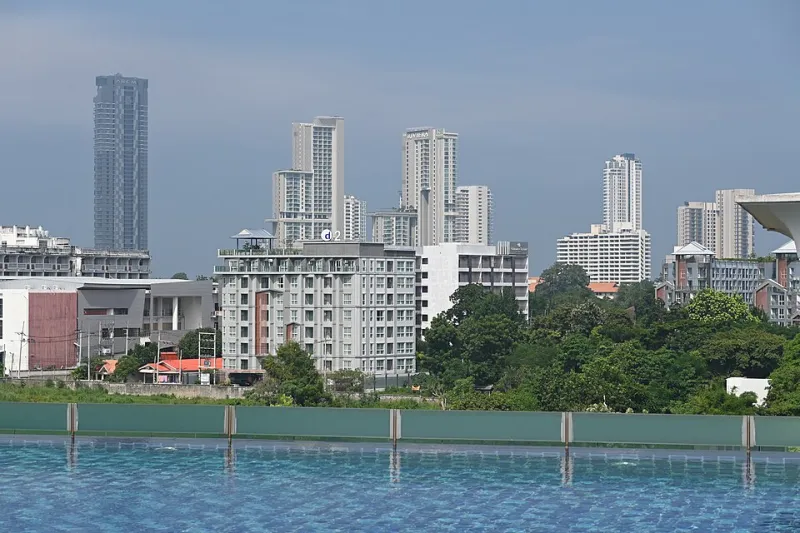
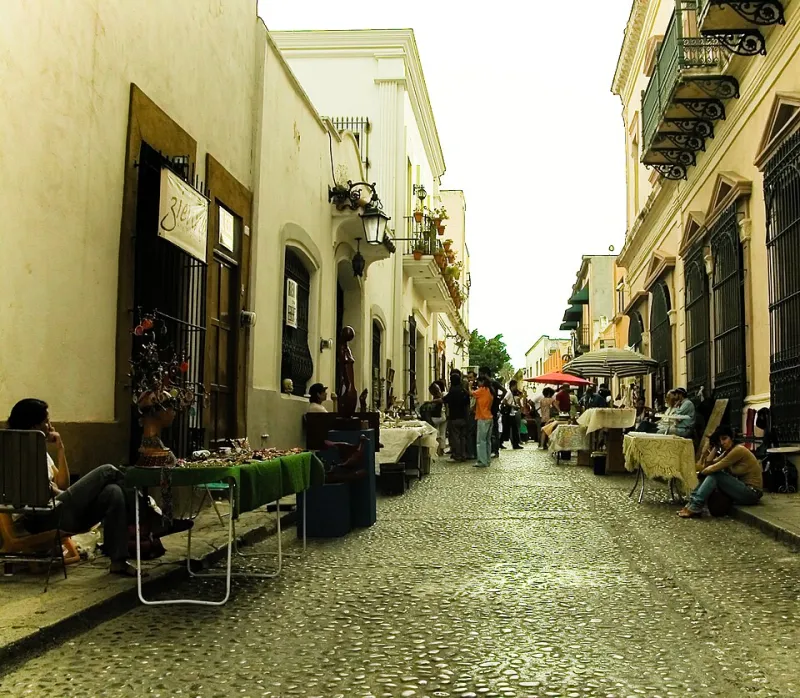
Photo: E. E. Cummings, CC0, via Wikimedia Commons
There's a particular kind of conversation happening at dinner tables from Phoenix to Chicago right now. Someone mentions they spent a month working from Monterrey, their rent was $900 for a furnished two-bedroom, the food was incredible, the city surprised them, and they started doing math on their phone at the table.
That math — comparing US housing costs against Mexican property prices, factoring in the peso-dollar exchange rate, thinking about what retirement could look like — is what's driving a quiet but real trend: Americans buying property in Monterrey not as a replacement for their US home, but as a strategic complement to it.
This isn't about abandoning your life in the States. It's about building a second foothold in a city that offers a compelling financial and lifestyle case, then using both addresses to your advantage.
Why Monterrey Specifically?
Mexico has always attracted American retirees and second-home buyers — coastal towns like Puerto Vallarta and San Miguel de Allende have well-established expat communities. But Monterrey occupies a different niche. It's a major industrial and tech city, Mexico's wealthiest metro area, with infrastructure, healthcare, and business connectivity that coastal resort towns simply can't match.
For Americans who are still working — especially in tech, finance, or any remote-friendly field — Monterrey offers something the beach towns don't: a real city where you can actually get things done. Fast internet, WeWork-style co-working spaces, direct flights to major US hubs, and a time zone (Central) that keeps you in sync with most of the country.
For those approaching or already in retirement, the combination of urban amenities and dramatically lower cost of living is the draw. World-class private hospitals. A mature restaurant scene. Cultural events, universities, and the kind of city energy that keeps life interesting.
The Currency Advantage Is Real — But Understand How It Works
The US dollar currently goes a long way in Mexico, and Monterrey is no exception. When you're earning or holding assets in dollars and spending in pesos, your purchasing power expands considerably. A dinner that would cost $80 in Austin might run $25 in Monterrey. Monthly expenses for a comfortable urban lifestyle — groceries, dining out, utilities, household help — can run $1,500 to $2,500 USD for a couple, compared to multiples of that in most US cities.
For property purchases, this dynamic is particularly powerful. You're buying an asset priced in pesos with dollars, which means your entry cost is lower in real terms than the headline price suggests. As a rough illustration: a $150,000 USD condo in a desirable Monterrey neighborhood represents a level of quality and location that would cost significantly more in any comparable US metro.
That said, currency exposure cuts both ways. If the peso strengthens significantly against the dollar, your purchasing power shrinks. Most financial advisors we spoke with recommend treating the currency advantage as a bonus rather than the core thesis — the property should make sense on its own merits.
What Americans Need to Know About Mexican Property Ownership
Foreign nationals can own property in Mexico, including in Monterrey, with full fee-simple ownership rights. Unlike coastal and border zones — which have specific rules requiring a fideicomiso (bank trust) — interior cities like Monterrey allow direct ownership by foreign buyers without the trust structure.
The purchase process involves a notario público (a Mexican notary with significant legal authority) who handles the title transfer, a closing cost structure that typically runs 4% to 7% of the purchase price, and registration with the Public Registry of Property. Working with a bilingual real estate attorney is strongly recommended, particularly for first-time buyers navigating the process from the US.
Important note: owning property in Mexico does not grant any immigration status. If you plan to spend significant time in the country, you'll want to look into Temporary or Permanent Residency visas separately — though property ownership can support that application.
Tax Implications: The Basics Without the Fine Print
US citizens are taxed on worldwide income regardless of where they live, which means your Monterrey property doesn't let you escape the IRS. But the tax picture isn't as complicated as some people fear — it's just different from what you're used to.
A few key points:
Rental income: If you rent your Monterrey property, that income is reportable on your US taxes. Mexico also taxes rental income, but the US-Mexico tax treaty helps prevent double taxation. You'll generally get a foreign tax credit for taxes paid in Mexico.
Capital gains: When you sell, gains are subject to US capital gains tax. Mexico also imposes a capital gains tax (ISR) on property sales, with some exemptions available — your Mexican notario will walk you through the specifics at closing.
FBAR and FATCA: If you hold Mexican bank accounts (common for managing local expenses), you may have reporting obligations under FBAR rules if balances exceed $10,000 at any point in the year. This is administrative, not punitive, but it's easy to overlook.
The bottom line from financial advisors familiar with this space: the tax situation is manageable and shouldn't be a deterrent, but you want a CPA with cross-border experience in your corner. This isn't a job for someone who's never dealt with foreign property.
Managing a Property from Across the Border
One of the most common concerns we hear from Americans considering Monterrey is practical: how do you actually manage a property when you're living in another country?
The honest answer is that it requires a system, but it's a system plenty of people have built successfully.
For part-time residents who spend extended periods in Monterrey, the management challenge is minimal — you're there often enough to handle things directly. For buyers who are primarily using the property as a rental or a future retirement base, a local property management company is the standard solution. Monterrey has a growing number of professional management firms accustomed to working with foreign owners, handling everything from tenant screening to maintenance coordination to monthly reporting.
Building a local support network — a trusted handyman, a bilingual property manager, a real estate attorney you can call — takes time but pays dividends. Most experienced dual-home owners say the learning curve is steep in year one and much smoother after that.
The Retirement Angle: Planning Ahead While Prices Are Still Favorable
For Americans in their 40s and 50s who aren't ready to move but are thinking seriously about retirement options, buying in Monterrey now has a specific logic: you lock in today's prices, potentially generate rental income in the interim, and give yourself time to build familiarity with the city before making any bigger decisions.
Monterrey's private healthcare system is legitimately excellent by any standard — not a compromise you make to save money, but a genuine alternative to US medical care at a fraction of the cost. For retirees who've spent decades dreading healthcare expenses, this matters enormously.
Several dual-home owners we spoke with described a similar trajectory: bought a condo to test the waters, started spending winters there, found themselves extending the stays, and gradually shifted to spending the majority of the year in Monterrey while keeping their US home for family visits and summers.
"I kept waiting to feel like I was giving something up," said one retired teacher from Ohio who bought in Valle Oriente in 2021. "I'm still waiting. Mostly what I feel is like I should have done this ten years earlier."
Is the Dual-Home Strategy Right for You?
It's not a fit for everyone. If your work requires physical presence in a specific US city, if your family situation demands proximity, or if you're not comfortable navigating a foreign legal and financial system — even with professional help — the complexity may outweigh the benefits.
But for remote workers with location flexibility, for retirees with portable income, and for anyone who's run the numbers and noticed how far a dollar goes in Monterrey, the dual-home model offers something genuinely compelling: a hedge against US cost-of-living pressures, a lifestyle upgrade, and a real estate asset in a market that's still early in its growth story.
The people who've done it aren't keeping it a secret exactly. They're just not shouting about it either — which, frankly, suits them fine.
Curious about what your budget could get you in Monterrey? Browse our current listings or reach out to connect with a local buyer's agent who works with US clients.