Hammers, Permits, and Hard-Won Lessons: A US Buyer's Survival Guide to Renovating in Monterrey
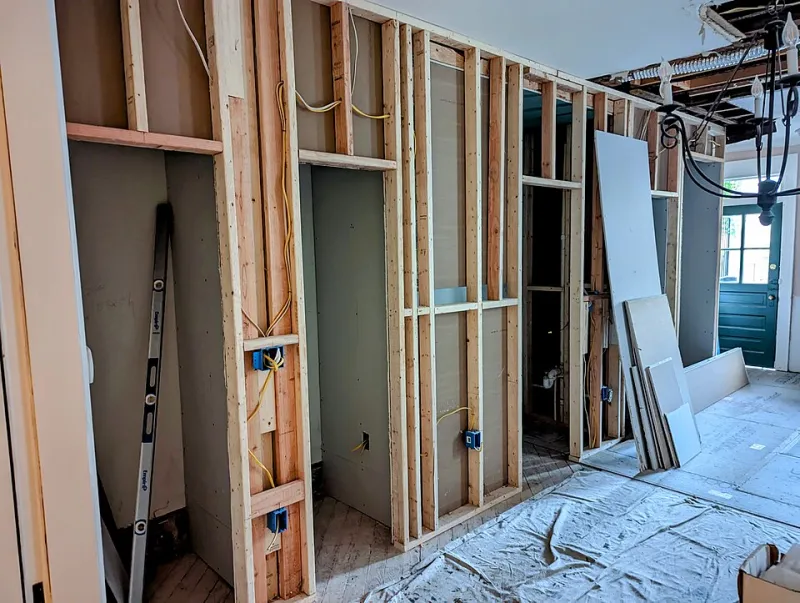
Photo: Kurtkaiser, CC0, via Wikimedia Commons
So you've found the place. Maybe it's a 1970s villa in Colonia del Valle with great bones and a kitchen that hasn't been touched since the disco era. Or maybe you've snagged a raw plot in a fast-growing suburb and you're ready to build from scratch. Either way, congratulations — and also, buckle up.
Renovating or building in Monterrey as a US buyer is absolutely doable. Thousands of expats have done it, and many of them will tell you it was one of the most rewarding experiences of their lives. But the ones who came out ahead all share something in common: they went in with realistic expectations and a solid understanding of how construction culture in Mexico actually works — not how they assumed it would work based on their experience back home.
Let's break it down.
The First Thing to Unlearn: Your US Construction Assumptions
In the States, you're used to licensed general contractors, standardized building codes enforced by municipal inspectors, detailed written contracts, and (mostly) predictable timelines. Monterrey operates differently — not worse, just differently — and the gap between those two realities is where most US buyers run into trouble.
Mexican construction is heavily relationship-driven. Local builders often work with a tight network of subcontractors they've known for years. Written contracts exist, but verbal agreements carry real cultural weight. Timelines are treated more fluidly — what a contractor calls "two weeks" might mean two weeks of active work spread across four calendar weeks, depending on material availability and crew scheduling.
None of this is a red flag on its own. It's just a different operating system, and once you understand it, you can work within it effectively.
Vetting Your Contractor: Don't Skip This Step
There's no national licensing database in Mexico equivalent to what you'd use to verify a contractor in, say, Texas or California. That means your due diligence process has to be more hands-on.
Start by asking your real estate agent for referrals — a good agent who works with expat buyers will have relationships with builders who are experienced working with US clients and who understand bilingual communication expectations. From there, ask those contractors for references from previous clients, and actually call them. If a builder has worked with other Americans, those clients will often be happy to share their experience.
When you meet with a potential contractor, pay attention to a few things beyond the quote:
- Do they walk the site before giving you a number, or are they estimating from photos?
- Can they provide a detailed scope of work in writing?
- How do they handle change orders — is there a clear process, or does it feel vague?
- Do they have experience navigating local permitting, or do they expect you to handle that?
Take your time here. The vetting phase is not the place to cut corners.
Permits: Slower Than You'd Like, More Important Than You Think
Building permits in Monterrey are issued through the municipal government (the Municipio), and the process varies depending on the scope of your project and which municipality your property falls under — San Pedro Garza García, for instance, has a different process than Santa Catarina or Apodaca.
For major renovations or new construction, you'll typically need architectural plans stamped by a licensed architect (arquitecto), a site survey, proof of property ownership, and sometimes an environmental or structural assessment depending on the location. Your contractor or architect should be able to guide you through this, but don't assume they'll handle it automatically — make sure it's explicitly part of your agreement.
Plan for the permit process to take anywhere from a few weeks to a couple of months. Starting construction before permits are approved is common practice in some parts of Mexico, but it's a risk that can complicate future property sales or cause issues with your title. If you're building to eventually sell or rent, doing it by the book is absolutely worth the wait.
Budget Like a Pro: The Numbers That Catch US Buyers Off Guard
Construction costs in Monterrey are generally lower than in comparable US markets, but that doesn't mean your budget is bulletproof. Here are the line items that tend to surprise first-timers:
Materials fluctuate with the peso-dollar exchange rate. If you're paying in dollars and materials are priced in pesos, a favorable rate can stretch your budget nicely. But if the peso strengthens mid-project, your costs can creep up. Build a 15–20% contingency buffer into your budget from day one.
Labor is often quoted separately from materials. Unlike many US contractors who quote an all-in price, Mexican builders frequently separate mano de obra (labor) from material costs. Make sure you understand exactly what's included in any quote you receive.
Custom finishes take time to source. If you're envisioning imported tile, specific plumbing fixtures, or appliances from US brands, factor in lead time and import costs. Locally sourced materials are often beautiful and significantly more affordable — consider leaning into them.
Real Buyers, Real Projects
Take the experience of a couple from Austin who purchased a fixer-upper in Cumbres back in 2022. Their biggest lesson? Over-communicating in writing. "We'd have a conversation on-site, think we were aligned, and then come back a week later to find something done differently than we expected," they recalled. Their fix was simple but effective: after every meeting, they'd send a WhatsApp summary of what was agreed — in both English and Spanish — so there was a written record everyone could reference.
Or consider a retired couple from San Diego who built a custom home from the ground up in a gated development near Valle Oriente. They hired a bilingual project manager — not the architect, not the contractor, but a dedicated third party whose job was to be the communication bridge. "It added cost upfront," they said, "but it saved us at least twice that in avoided mistakes and rework."
Both stories point to the same underlying principle: the project itself isn't the hard part. Communication is.
The Language Gap Is Real — Plan for It
Even if your Spanish is conversational, construction vocabulary is its own dialect. Words like colado (concrete pour), castillo (structural column), and trabe (beam) aren't exactly covered in Duolingo. Hiring a bilingual architect or a project manager who can translate not just language but also intent is one of the best investments you can make in a Monterrey build.
WhatsApp voice memos, photo documentation, and shared Google Drive folders with labeled photos of work-in-progress are all tools that expat builders swear by. Create a paper trail — not because you don't trust your team, but because it protects everyone.
Bottom Line
Renovating or building in Monterrey isn't for the faint of heart, but it's far from the nightmare some people assume it will be. The city has a deep pool of talented architects, skilled craftspeople, and contractors who genuinely take pride in their work. The key is going in informed, setting up clear communication systems from the start, and giving yourself permission to be patient with a process that moves at its own rhythm.
Your dream home in Monterrey is absolutely within reach. You just might need a bilingual WhatsApp group to get there.